But more than the information, Maeda (2006) states that sending/communicating predictive information inserted by your technology/media device to another person (especially if it's something that you choose not to read before sending it) requires a significant deal of trust. So the question I now ask, do you trust your media device (phone, computer etc) enough to send messages (sometimes automatically) on your behalf?
In essence, what your device is probably trying to do is to make things easier....more efficient...more convenient for you. Upon reviewing this law I immediately remembered the many accounts and passwords my computer logs in automatically....I couldn't explain it via text but I knew exactly what I was trying to say/communicate, and the image I had in my head. So when I saw this graphic below, it hit the nail on the head!😄😅🙌🙌🙌🙌 - it's exactly the image I had in mind when I was re-reading this law....and I use this media feature almost all the time because it just helps to make life #simpler and with my busy schedule, that's just what I need #lawsofsimplicity 😃😁😀😎😅
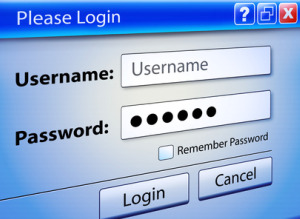
Even this blogging platform, I learned a while now how to schedule blog posts in advance....so posts can be created and automatically published at a subsequent date as Maeda (2006) acknowledges...and that requires the element of #trust #insimplicitywetrust

Interesting question. I suppose I trust my devices to send messages for me in certain situations. At the same time, I often set multiple alarms if I have to get up early for a flight. In that case, I don't even trust my device to get the alarm right. Too many things could go wrong. LOL
ReplyDelete